EV Charger Installation in Fallbrook: Home Requirements and Local Permitting Guide
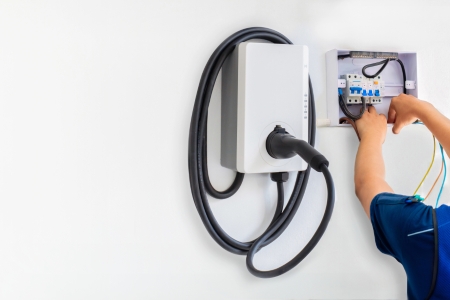
If you are considering EV charger installation in Fallbrook, you want a plan that is safe, code‑compliant, and ready for your next vehicle. This guide walks through home electrical requirements, typical permitting steps, and smart charging tips for our North County neighborhoods. It also explains how Custom Touch Electric designs your project from start to finish and when adding tesla powerwall and home batteries makes sense with a home charging setup.
What You Need for EV Charger Installation in Fallbrook
Most homeowners choose a Level 2 charger because it delivers faster, dependable charging on a 240‑volt circuit. Your home’s electrical system must support that added load without nuisance trips or overheating. In Fallbrook areas like Morro Hills, De Luz, Rainbow, and Bonsall, homes range from mid‑century ranches to newer builds, so the starting point varies house to house.
Level 1 vs. Level 2, and Hardwired vs. Plug‑In
Level 1 uses a standard 120‑volt outlet and is slow. Level 2 uses a 240‑volt dedicated circuit and is the most common choice for daily driving. Many chargers are available in two forms: hardwired or plug‑in.
- Hardwired chargers provide a clean, permanent connection and can support higher continuous amperage.
- Plug‑in chargers use a NEMA 14‑50 or 6‑50 receptacle and can be easier to replace later, but the breaker and wire size must still match the charger’s continuous load.
For either style, **always use a dedicated circuit rated for the charger**. That means a properly sized breaker, conductor gauge, and GFCI protection where required by code.
Electrical Panel Capacity and Load Calculations
Your electrical panel is the heart of the system. Before installing a charger, a licensed electrician performs a residential load calculation that considers existing appliances, HVAC, and future plans. Many Fallbrook homes run 100A or 200A service; some need more headroom once you add a Level 2 charger, a hot tub, or a new mini‑split.
If capacity is tight, we may recommend a subpanel or a full upgrade. You can explore why this matters in our panel article, is your electrical panel ready for today’s power demands. Upgrading the panel can open space for safer and cleaner wiring to your garage or carport.
Permitting and Inspections in Fallbrook and Nearby Areas
Residential EV charger projects in the Fallbrook area typically require an electrical permit and a final inspection. The process can vary by jurisdiction, home age, and project scope. In many straightforward cases, documentation is minimal and approvals are routine. When work includes panel upgrades, long conduit runs, or structural changes, plan for a few more steps and coordination.
Typical Documents and Steps
- Basic site details, charger specifications, and a simple one‑line diagram that shows the new circuit and breaker size.
- Load calculation to confirm the service can handle the added continuous load from the Level 2 EVSE.
- Scheduling the final inspection after installation to verify labeling, conductor sizing, bonding, and GFCI where required.
Permits and requirements can change. We help you prepare the right documents and keep the project moving so your installation passes inspection without delays.
Choosing the Right Charger Location at Home
In Fallbrook, many homes have detached or deep‑set garages, long driveways, or barns and workshops. These details shape the best mounting spot and the conduit route. The goal is a short, protected run with proper clearances, weather‑resistant equipment where applicable, and cable management that keeps trips and scuffs to a minimum.
Garage, Carport, and Driveway Considerations
Indoor garages often allow for a cleaner surface‑mounted conduit run along the wall to the charger. Carports or exterior walls may require weather‑rated enclosures and fittings. Chargers mounted near the garage door benefit from a ceiling‑drop holster or side‑wall hook so the cable does not drag across the floor.
Conduit Paths and Weather Protection
Shorter conduit runs reduce voltage drop and help control project complexity. In older properties around De Luz or Morro Hills, we may need to cross finished stucco, block, or slab. When that happens, we plan routes that minimize patching while protecting the conductors. Outdoor segments use listed fittings, expansion couplings where needed, and clear labeling.
Smart Charging, Rates, and Everyday Safety
Local utility time‑of‑use plans reward off‑peak charging. Many EVs and chargers let you set a schedule so you can plug in any time and charge only when rates are typically lower. **Schedule charging during off‑peak hours to reduce bills** and to be kinder to the grid.
GFCI Protection, NEMA 14‑50, and Labeling
Level 2 circuits are continuous loads. Breakers, conductors, and devices must match the nameplate rating and installation method. For plug‑in setups, a NEMA 14‑50 or 6‑50 outlet must be installed on a dedicated, properly sized circuit with correct GFCI protection and in a housing suitable for the location. **Never share a dryer or range outlet with an EV** and do not use extension cords for charging.
Labeling matters. We clearly mark the breaker, the EVSE disconnect (if used), and the receptacle. This helps future service and makes inspections smooth.
Do You Need a Panel Upgrade First?
Many homes pass the load calculation with room to spare. Others are at the edge once you count HVAC, electric ranges, pool pumps, and planned additions. If your panel lacks capacity or breaker spaces, a professional upgrade creates a safer foundation for EV charging and future projects.
Our team installs neat, expandable systems with clear circuit schedules. If you are weighing next steps, review our panel upgrades for ev charger installation page to see how added capacity supports charging, solar, and other home improvements without headaches later.
Hardwired vs. Plug‑In Chargers: Which Fits Your Garage?
Both approaches can work well when designed for your actual driving and parking habits. Hardwired units reduce connection points and can support higher amperage models. Plug‑in units on a NEMA 14‑50 make future replacement easier and can be moved to another home, which some homeowners like if they plan to relocate.
Think about cord reach to your parking spot, where the charge port sits on your vehicle, and whether you would add a second EV later. For many families, a hardwired 48‑amp charger positioned near the driver’s door side of the garage offers an easy daily routine.
When Pairing a Charger With Home Batteries Makes Sense
If you want backup power or you already have solar, adding storage can keep essential loads running during outages and help shift charging into cleaner hours. Learn how we integrate chargers with storage on our service page for battery backup options. Thoughtful design avoids panel congestion and sets clear priorities for what stays on during grid events.
How Custom Touch Electric Handles Your Project
Site Walk, Design, and Permitting
We start with a short call to understand your driving habits and parking layout, then schedule a site visit. The electrician verifies panel rating, available breaker space, and the path to your charger location. We complete a load calculation, prepare permit documents, and coordinate inspection. You get a clear, written scope so there are no surprises.
Installation Day and Final Checks
On installation day, we run conduit, pull wire, mount the charger, and label the circuit. We verify torque, test GFCI, and confirm charging at the correct amperage in your vehicle app. Before we leave, we review your schedule settings so charging starts during typical off‑peak hours. **Keep this schedule active even on vacations** so the car maintains battery health without wasting energy.
Local Notes for Fallbrook Homes
Detached garages and long driveways along hillsides can mean longer wire runs. We account for voltage drop and choose conductors that hold up in heat. In older ranch homes or properties with prior DIY work, we correct any loose neutrals, double‑lugged breakers, or unbonded subpanels before adding an EV circuit so the whole system stays safe.
If you are planning other projects, like a kitchen upgrade or an accessory dwelling unit, it is smart to align your EV work with those milestones. Trenching, panel upgrades, or garage wiring upgrades can be bundled for cleaner results and fewer disruptions.
For a deeper dive on service size decisions common in our area, you can also read our article on choosing between different panel ratings for local homes. It pairs well with this EV guide and helps set the stage for reliable charging year‑round in Fallbrook.