Why Charging Your EV at Home in Fallbrook Is Overheating Your Outlets: Electrical Repairs Guide
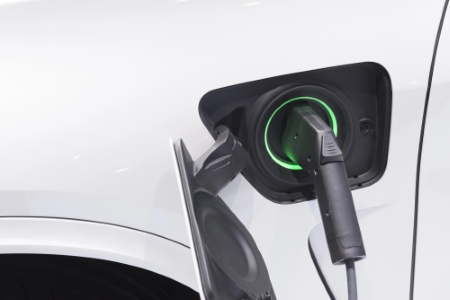
Many Fallbrook homeowners plug an EV into a standard 120‑volt outlet and notice the outlet or wall plate getting warm. That is not normal wear. It is the result of a continuous, high load on an aging receptacle and garage wiring, made worse by our hot summers. If you have warmth, discoloration, or a burnt smell, it is time to schedule an electrical repair visit with a licensed electrician in Fallbrook, CA at Custom Touch Electric.
Below, you will find what is really happening inside that outlet, the local heat factors unique to Fallbrook, and why a dedicated, hardwired Level 2 circuit is the safer long‑term solution. You can also explore electrical repairs in Fallbrook, CA to see how Custom Touch Electric restores safety and reliability for local homes.
What Continuous EV Charging Does To A Standard Outlet
Most household EV charging on a regular wall outlet uses a NEMA 5‑15 receptacle. That device was designed for short, varied use like lamps and small appliances, not hours of nonstop current draw. Over time, the metal contacts inside loosen from heat cycling and vibration. Even a tiny increase in contact resistance creates a hot spot, which snowballs into more heat and faster wear.
In many garages around Fallbrook, outlets have older terminations, paint buildup on faceplates, or back‑stabbed connections. Pair those weak links with a mobile EV charger pulling steady current overnight and you get a recipe for overheating. You may notice the charger throttling its rate, the plug looking brown near the blades, or the outlet face getting soft. These are all signals that the circuit is stressed.
Why Fallbrook’s Summer Heat Makes It Worse
Fallbrook’s warm season pushes garage temperatures far above indoor spaces. An unconditioned garage that sits in the afternoon sun or near a hot attic adds ambient heat to an already warm outlet. Older branch circuits running through attics or long garage runs see additional temperature rise, which reduces their current‑carrying capacity. That extra few degrees can be the difference between safe operation and a failure you can see and smell.
Homes in neighborhoods with older ranch layouts or detached garages often have longer wire runs and mixed‑age wiring. Those conditions increase voltage drop and connection stress during charging. The result is more heat at the receptacle, the plug, and even inside the wall box.
Warning Signs Your Outlet Or Circuit Is Overheating
Watch for these real‑world clues our electricians find before a critical failure:
- Brown, tan, or smoky discoloration on the outlet face or around the plug blades
- Wall plate, receptacle, or adjacent drywall that is warm or hot to the touch after charging
- Acrid or “chemical” smell near the outlet, especially at the end of a charging session
- Mobile charger or vehicle reducing charge speed on its own, or charging that stops unexpectedly
- Buzzing, sizzling, or intermittent power when wiggling the plug
If you see any of these, stop using that outlet for EV charging and request electrical repairs from a licensed pro. A warm or brown outlet is a fire warning, not a minor nuisance.
NEMA 5‑15 Vs. A Dedicated, Hardwired Level 2 Circuit
To understand why professional installation solves the problem, compare the two paths your charging can take:
- NEMA 5‑15 path: Standard 15‑amp outlet, aging receptacle contacts, shared general‑use circuit, back‑stab or worn terminations, and a long, flexible plug connection that runs hot under continuous load.
- Hardwired Level 2 path: Dedicated 240‑volt branch circuit sized for the EVSE, copper conductors with proper temperature ratings, tight screw‑lug terminations in a junction box, no plug interface to loosen, and integrated EVSE diagnostics.
With a dedicated Level 2 circuit, the connection points are solid, the wire gauge is matched to the continuous charging load, and the equipment is designed for long, steady run times. That removes the weak links that cause heat at a receptacle face. It also keeps charging off your home’s general circuits, so you are not stacking other household loads on top of the EV session.
Panel Capacity, Load Sharing, And “Localized Grid” Strain
Homeowners often think about the public grid when they hear “load.” The bigger problem here is local to your house: the specific outlet, branch circuit, and service panel. When an EV shares a small general‑use circuit with garage tools, freezers, or outdoor lighting, you get concentrated heat and nuisance trips. A dedicated, hardwired Level 2 installation balances loads at the panel and isolates charging on its own circuit. That reduces voltage sag to other devices and protects the weakest connection in the chain, which is usually the outlet itself.
If your service panel is already tight on capacity or spaces, your electrician may recommend changes before installing the EV circuit. For background on when panel size becomes the bottleneck, this overview of 200A vs 400A panel upgrades in Fallbrook explains the clues our team looks for during an in‑home assessment.
How Heat And Age Damage Older Garage Wiring
Older garages in Fallbrook often have receptacles daisy‑chained across long runs with mixed‑age terminations and junctions. Airborne dust, vibration from garage doors, and seasonal temperature swings all wear on those connection points. Under a continuous EV load, loose set‑screws and back‑stabs warm up, spring tension drops further, and heat rises faster the next night. That is why a plug may look fine for months, then suddenly turn brown or melt.
A chemical or burning plastic smell means heat damage is already happening. At that stage, parts of the circuit may be brittle or charred, even if they “still work.” An inspection and repair by Custom Touch Electric protects your home before the next long charge pushes it past failure.
Local insight: During late‑summer heat, unconditioned garages in Fallbrook can run much hotter than indoor rooms. That higher starting temperature compounds the heat created by charging and accelerates wear on outlets and terminations.
Scheduling an assessment with Custom Touch Electric before peak heat helps prevent mid‑season surprises and protects your vehicle, charger, and home wiring.
Real‑World Scenarios We See Around Fallbrook, CA
Here are common patterns our electricians find in North County homes:
Older ranch homes with detached garages. Long wire runs and many splices cause voltage drop and hot junctions under charging. A dedicated Level 2 circuit with the right conductor size fixes both performance and heat issues.
Manufactured homes and additions. Mixed‑era wiring and limited panel space often demand a careful load calculation before planning a charging circuit. Correct wire sizing and hardwiring the EVSE prevent outlet failures.
Shaded mornings, sunny afternoons. When charging starts cool and finishes hot, outlets that seem fine at 10 p.m. may be overheated by sunrise. That is a telltale sign the receptacle is the weak link.
Electrical problems do not always show up as tripped breakers. If your breaker does trip during overnight charging, this short read can help you understand the pattern before our visit: a breaker keeps tripping flowchart.
Why A Professional EV Circuit Protects Your Home
A licensed electrician designs the circuit around how you live: panel location, charger placement, wire routing, and the real loads in your home. The installation replaces weak, heat‑prone connections with hardwired terminations, corrects worn outlets, and sizes protection for continuous duty. That prevents the localized hot spots that cause brown outlets and scorched plugs. It also improves charging consistency so you wake up ready for the 76, Mission Road, or I‑15 commute without worrying about whether the car finished charging.
Do not ignore recurring breaker trips or outlet warmth. Those are safety signals. The right repair or dedicated circuit is straightforward for a pro and helps avoid damage to your charger, vehicle inlet, and home wiring.
Your Next Step With Custom Touch Electric In Fallbrook
If you suspect heat issues at your outlet or want a safer, faster Level 2 setup, our team is ready to help. We start with a focused inspection of your receptacles, wiring, and service panel, then provide a clear plan to eliminate heat and restore reliability. You can read more about how we fix these problems on our electrical repairs page, or call us directly at 760-728-7000 to schedule an appointment.
Every home is different. We match the solution to your wiring, your panel, and your charging habits so you get safe, dependable performance year‑round in Fallbrook. When you are ready, reach out to Custom Touch Electric for expert diagnosis and a professional installation that removes the weak links and protects your home.
Contact Our Electrical Contractors In the Fallbrook Area For Your Electrical Needs