Why Your Carlsbad Home Security Lighting Tripped the Breaker: Expert Diagnostic Tips
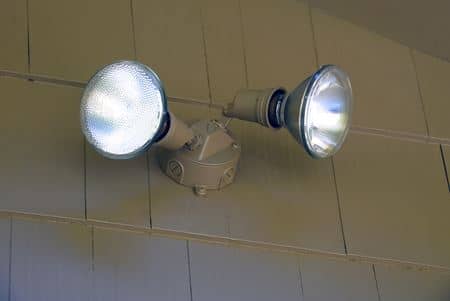
If your lights flip on and the breaker flips off, you are not alone. Homes along the coast see this a lot, which is why many neighbors search for carlsbad security lighting troubleshooting each fall and spring. Below, you will learn what coastal moisture does to outdoor fixtures, how corrosion spreads inside boxes, and how to read the clues that point to a worn motion sensor module or an outdoor circuit that is simply overloaded. If you are planning an upgrade or repair, our security lighting team can help protect your home and peace of mind.
What Makes Coastal Carlsbad Tough on Outdoor Electrical
Salt air rolls in from South Carlsbad State Beach and settles on everything, from decks in Terramar to patios in La Costa and yards around Aviara. That mist mixes with morning marine layer and evening fog, creating a thin, damp film that speeds up metal wear. Over time, this film sneaks into tiny gaps around fixtures and box covers.
That is why outdoor equipment near the coast needs extra care. **Salt air speeds up corrosion** and can turn a small gap into a short path to the breaker over months, not years.
How Moisture Inside Boxes Leads to Breaker Trips
On coastal blocks, moisture often finds its way into a junction box or motion light base. When that moisture reaches terminals or splices, it creates weak connections and unwanted current paths. The result can be nuisance tripping at first, then hard trips that happen the instant the lights try to turn on.
- Green or white crust on screws, wire ends, or the back of the fixture plate
- Brown stains or fine rust trails under a cover plate or along conduit threads
- Lights that trip the breaker more often after foggy nights or windy beach days
- Motion light that chatters on and off, then trips the breaker at dusk
Coastal tip: In neighborhoods close to Carlsbad State Beach and around Aviara, wind‑blown salt can reach boxes that look sealed. A licensed electrician can inspect gaskets and fittings seasonally to prevent corrosion from becoming a breaker‑tripping problem.
Sensor Problem or Circuit Problem? Read the Clues
Breaker trips usually point to one of two roots outside: a failing motion sensor module or a circuit that has more load and wear than it can handle. The timing of the trip and what else is on the line are your best clues.
- Trips only when the motion light triggers at night: possible sensor module fault
- Trips when multiple backyard lights or outlets are in use: likely overloaded circuit
- Trips during or right after foggy, windy days: moisture intrusion or corrosion
- Trips the instant you flip the switch: short or ground fault in the run or fixture
When the Motion Sensor Module Is the Likely Culprit
Motion sensors live hard lives outside. The plastic lens faces sun, wind, and salt. The small board inside cycles daily. Age and moisture change sensitivity and can cause false triggers that spike current right when the lamp strikes.
Watch for these signs that point to the sensor, not the rest of the line:
• The breaker holds when the sensor is set to test mode in daylight, but trips at dusk when it swaps to normal.
• The light stays on forever or stutters rapidly before the trip.
• Swapping in a plain switch for a brief professional test stops the trip, which suggests the module was the trigger path.
When the diagnosis leans toward the module, replacement by a licensed electrician is the safe path. **Never ignore repeated breaker trips** that start with sensor behavior, since that pattern can hide early corrosion inside the base or box.
Want ideas on choosing fixtures that also keep neighbors happy? See our practical security lighting checklist written for local homes.
When an Overloaded Outdoor Circuit Is the Real Issue
Many Carlsbad homes built before today’s backyard lifestyles share one outdoor circuit for rear security lights, side path lights, and patio outlets. Add café lights for a party, a fountain pump, or a space heater, and that single line can cross its comfort zone as soon as your motion light turns on.
Clues that point to circuit capacity, not a single bad fixture:
• Trips line up with heavy use nights in the yard, not with the weather.
• Outlets on the same run feel warm or a plug buzzes when the light triggers.
• The breaker never trips when only the security light is active, but does when extra loads are on.
If testing points to capacity, upgrading the service path and distribution makes a big difference. A pro can map the line and recommend dedicated runs for lights and outlets. If your home has grown in load over the years, look into panel upgrades for safer, cleaner power management.
Other Faults That Trigger Fast Trips
Not every trip is a sensor or capacity story. Outdoor wiring takes a beating in sea air and sun. Cracked seals or aged gaskets can let water reach lamp sockets. Rodents nick insulation around Batiquitos Lagoon paths. Even a small nick can let current stray to ground and trip protection right away.
These problems are common along the coast:
• Loose or corroded splices inside a weather box
• Water pooled in a fixture base after wind‑driven rain
• Damaged cable where landscaping tools scraped conduit or UF cable
All of these need a licensed electrician to track and fix safely.
How Pros Diagnose Security Lighting Trips Safely
Good troubleshooting follows a calm, repeatable path. First, a licensed electrician confirms which devices share the breaker. Next, they test whether the trip is load‑driven, weather‑driven, or device‑driven. They may isolate the sensor, examine box integrity, and check for corrosion at terminals, then measure load and protection response under controlled conditions. This approach finds true causes fast and avoids guesswork.
When repairs or upgrades are needed, choosing quality parts matters. Pro‑grade boxes, correct gaskets, and marine‑resistant fixtures help coastal homes from Tamarack to Bressi Ranch ride out fog, mist, and wind without constant nuisance trips.
Protecting Your Lights Near Carlsbad State Beach and Aviara
Security lighting should be dependable, not dramatic. In our coastal zones, that means paying special attention to enclosures, seals, and wiring methods that hold up to salt. **Moisture inside a box is a safety issue** even if the light still works. Catching it early prevents breaker trips and protects the circuit.
As you plan your next maintenance visit, bookmark our dedicated security lighting page for ideas on placement, fixture options, and pro installation that reduces false trips and improves coverage.
Why Local Experience Matters
Homes in Carlsbad face a different kind of wear than homes farther inland. The right install choices are simple but specific to our coast, from fixture metals to box types and seal styles. **Marine air plus electricity is not a DIY mix**; trained pros see small clues that point to big problems, and fix them before a breaker starts talking.
To learn more about why breakers trip and how pros think through it, you can scan our quick read on the subject in the blog library. It pairs well with the checklist above and helps set expectations for a safe service visit during busy seasons.
Your Next Step With a Trusted Local Team
If your motion sensor light keeps tripping the breaker, or your backyard lights only work on dry days, it is time for a professional diagnosis. Start with carlsbad security lighting troubleshooting resources on our home page here: carlsbad security lighting troubleshooting. Then schedule a visit with Custom Touch Electric. We will check for moisture intrusion, test your sensor module, and review circuit load so your lights come on without drama.
Ready to make your exterior safer and more reliable before the next round of marine layer mornings? Call us at 760-728-7000 and ask about a lighting inspection and any needed adjustments. For upgrade ideas, browse our services and connect with our team about the right security lighting service for your property.
Contact Our Electrical Contractors In the Fallbrook Area For Your Electrical Needs